Showing posts with label Herbal. Show all posts

Sunday, September 22, 2013

Chill Herbal Smoking Blend

Chill herbal smoking blend is a blend of several herbs and botanicals. They are designed to provide, for lack of a good word, a "high". Some of these herbs are very familiar and believe it or not they could be in your cabinets.

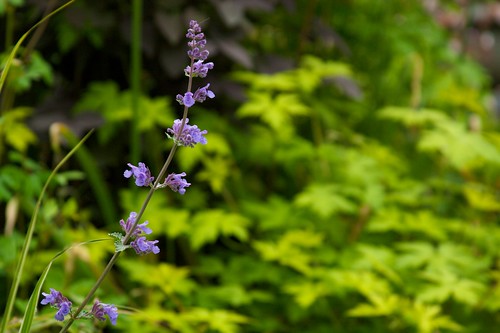
[b]Catmint[/b]

The herbs used in Chill herbal smoking blend are Mugwort, Catmint, Woodruff, Betony, Blue Lotus, Blue Lily, and Calamus. Galangol saffron, Neel leaves, Brahmi, and Indian Sarsaparilla are also used. Aromatics that are used are Frankincense, Myrrh, Catnip, Passion Flower, Licorice, Sage, Clove Cinnamon, and Wormwood.

The reasons many habitancy pick this particular blend include that it induces an awareness of the sacred. An alternate state of awareness is attained and users article that "You Know you are feeling the real thing". The added attraction to this blend is that its effects last a long time.

An absorbing fact about the Chill Herbal Smoking Blend is that it is labeled as Not Fit For Human Consumption. It is classified and sold as incense. The warning itself should have you mental about security of its use.

Pregnant woman should absolutely not use this blend because it could very well cause injury to the baby. It can cause premature births and low birth weight babies. The long term effects on children as they grow are not known.

Herbs and botanicals are offered for sale by off and online herbal smoke shops. One such herbal smoke shop (see below) offers 100% pure herbs that are grown on their own retain in Hawaii. Their herbs are legal in the United States and in most of the rest of the free world. Their stock works as is evidenced by the thousands of long term repeat customers and the testimonials they have provided declaring their pleasure not only with the herbs but the ease of buy and inexpensive shipping time.

Whether it is the Chill Herbal Smoking Blend or other herbs, herb blends or legal buds, care should be taken when under the influence of their effects. Do not drive; control machinery or anyone else that may want clear mental and quick reflexes. Since your judgment is likely to be impaired, care should be used as to when or where you use them.
You use herbs in any form at your own risk.

Chill Herbal Smoking Blend

Monday, July 29, 2013

Herbal Remedies For Nerves & Stress

Stress itself is not bad or dangerous. It is part of the wear and tear of everyday life and cannot indeed, should not be avoided. Challenges and changes add spice to life, fire the imagination and spur us on to new achievements if handled in the right way. Many of the happiest and most flourishing habitancy are those who have learned to sass to high levels of stress in a balanced way.

[b]Catmint[/b]

A stress victim, by contrast, fails to adapt to pressures and problems as well as he might. For example, he may regularly bundle unpaid bills into a drawer and try to forget about them, or lose his temper and call his wife extravagant or even obsessively write out a cheque the puny each new bill arrives.

Each response may sometimes be appropriate, but when one of them becomes a general way of coping, the follow can be a serious stress problem. Luckily, help lies generally in the victim's own hands.

What the Natural Doctors Recommend

You are advised to eat a healthy diet, perhaps supplemented by multivitamin and mineral tablets to replenish nutrients which are used up more fast when under stress. Try not to look to cigarettes, alcohol, coffee or tranquillizers to make you feel better. Take practice or convention relaxation techniques or meditation instead, and give yourself regular "time out" wholly free of work pressures.

Herbal Medicine: To help you unwind, try infusions of lemon balm, camomile, catmint or lime blossom. Include oats in your diet unless you suffer from Gluten Intolerance. Practitioners may prescribe stronger relaxants such as skullcap, valerian or cowslip, or the restoring herbs vervain and St Jon's wort, as well as recommending changes in your way of life.

Herbal Remedies For Nerves & Stress

Thursday, July 18, 2013

Herbal Allies For Post-Menopausal Women - Pt 3-5

BIOFLAVONOIDS

Plants containing flavonoids (from the Latin, flavus, yellow) were originally valued as dye plants. Today we appreciate them because we know they are anti-inflammatory, antihepatotoxic, anti-tumor, antimicrobial, antiviral, antioxidant, antiallergic, antiulcer, analgesic, and strengthening to the entire circulatory system, from capillaries to heart.

Catnip Plants

Flavonoids have an estrogenic effect, scientifically established as 1/50,000th the activity of estradiol. Bioflavonoids in foods are essential to our ability to absorb ascorbic acid. No wonder plants exceptionally rich in flavonoids are such important allies for post-menopausal women.

Regular use of bioflavonoid-rich herbs helps:

restore vaginal lubrication decrease or end hot flashes improve pelvic tone improve liver activity strengthen the bladder lower risk of stroke & heart attack reduce water build-up in tissues reduce muscle cramping ease sore joints improve resistance to infection

The richest source of bioflavonoids is the inner skin of citrus fruits. "Peel Power" is a lovely way to start the day.

Buckwheat greens, Buckweizen, Sarrasin (Fagopyrum esculentum) are an exceptional source of bioflavonoids. Grow them at home, like alfalfa sprouts, or buy them dried and made into tablets. (Kasha, the grain of buckwheat, does not contain bioflavonoids.) The wild equivalent is the leaves of yellow dock (Rumex crispus) or any knotweed (Polygonum).

Elder, Holunder, Sureau (Sambucus nigra and other species) are rich in bioflavonoids. I use the berries in jelly and wine, and the flowers for tinctures and wines.

Hawthorn, Weissdorn, Aubépine (Crataegus oxycantha and other species) offers berries, flowers, and leaves full of bioflavonoids. I use the berries to makes jellies, wines, and a heart-strengthening tincture. The flowers and leaves, dried, make a wonderful tea.

Horsetail, Ackerschachtelhalm, Prêle des champs (Equisetum arvense) is best picked in the spring. I use it fresh in soups (not salads) and dried as a tea.

Knotweeds, Vogelknöterich, Renouée des oiseaux, Ho Shou Wu (Polygonaceae) are well known for their abundance of bioflavonoids. In addition to buckwheat and yellow dock leaves, try the greens of any other knotweed local to your area.

Roses, Hagrose, Rosier (Rosa canina and other species) are sisters to hawthorn and similarly abundant in bioflavonoids. I use fresh rose hips in jellies and wines and dry them for winter teas and soups. We eat the blossoms in salads and use glycerin to draw out the healing qualities of flowers and leaf buds.

Shepherd's purse, Hirtentäschel, Capselle (Capsella bursa-pastoris) leaves are wonderful in salads. When it flowers, I use the whole fresh plant to make vinegar and vodka tinctures, capturing bioflavonoids for later use. (A dose is 25-50 drops three times daily.)

Sea buckthorn, Sanddorn, Argousier (Hippophae rhamnoides) leaves are rich in many nutrients needed by post-menopausal women: bioflavonoids, carotenes (vitamin A), vitamin C, vitamin E, and the B vitamin complex, especially B6. If you live where it grows, try the tender baby leaves in salads.

Toadflax, Frauenflachs, Linaire commune (Linaria vulgaris) flowers add flavonoids to salads. They can also be tinctured. (A dose is 15-20 drops.)

White dead nettle, Weisse Taubnessel, Lamier blanc (Lamium album) doesn't sting, so try it in salads. Or dry bunches when it's flowering and get your bioflavonoids from the infusion; or make a vinegar.

VITAMINS

Vitamins for menopausal years. Lists are arranged thusly: most important sources, in decreasing order, are first. Other excellent sources follow the semicolon.

Vitamin A: Vitamin A is formed in the liver from ingested carotenes and carotenoids. No plants contain it. Liver, milk, and eggs do. In pill form, vitamin A can cause birth defects, hair loss, and liver stress.

Depleted by: Coffee, alcohol, cortisone, mineral oil, fluorescent lights, liver "cleansing," excessive intake of iron, lack of protein.

Vitamin B complex: For healthy digestion, good liver function, emotional flexibility, less anxiety, sound sleep, milder hot flashes with less sweating, steady heart beat.

Depleted by: Coffee, alcohol, tobacco, refined sugar, raw oysters, hormone replacement, birth control pills (deplete B6 especially).

Food Sources of B vitamins: Whole grains, well-cooked greens, organ meat (liver, kidneys, heart), sweet potatoes, carrots, molasses, nuts, bananas, avocados, grapes, pears; egg yolks, sardines, herring, salmon, crab, oysters, whey.

Herbal Sources of B vitamins: Red clover blossoms, parsley leaf, oatstraw. See also specific factors, following.

Vitamin B1, Thiamine: For emotional ease, strong nerves.

Food Sources of B1, Thiamine: Asparagus, cauliflower, cabbage, kale, barley grass, seaweeds, citrus fruits.

Herbal Sources of B1, Thiamine: Peppermint, burdock, sage, yellow dock, alfalfa, red clover, fenugreek seeds, raspberry leaves, nettle, catnip, watercress, yarrow leaf/flower, rose buds and hips.

Vitamin B2, Riboflavin: For more energy, healthy skin, less cancer.

Depleted by: Hot flashes, crying jags, antibiotics, tranquilizers.

Food Sources of B2, Riboflavin: Beans, greens, onions, seaweeds, yogurt, cheese, milk, mushrooms.

Herbal Sources of B2, Riboflavin: Peppermint, alfalfa greens, parsley, echinacea, yellow dock, hops; dandelion root, ginseng, dulse, kelp, fenugreek seed, rose hips, nettles.

Vitamin B6, Pyridoxine: For improved immune functioning; especially needed by women using hormone replacement.

Food Sources of B6: Baked potato with skin, broccoli, prunes, bananas, dried beans, lentils; meat, poultry, fish.

Vitamin B factor, Folic acid: For strong, flexible bones, easy nerves.

Food Sources of folic acid (folate): Leafy greens, liver, kidney, lentils, whole grains, seeds, nuts, fruits, vegetables.

Herbal Sources of Folic acid: Leaves: Nettles, alfalfa, parsley, sage, catnip, peppermint, plantain, comfrey, chickweed.

Vitamin B factor, Niacin: For relief of anxiety and depression, decrease in headaches, reduction of blood cholesterol levels.

Food Sources of Niacin: Asparagus, cabbage, bee pollen.

Herbal Sources of Niacin: Hops, raspberry leaf, red clover; slippery elm, echinacea, licorice, rose hips, nettle, alfalfa, parsley.

Vitamin B12: For healthy metabolism, stronger eyes, better memory, more energy, less cancer, osteoporosis, arthritis, fibromylagia, and depression. Aids adsorption of all other minerals, especially calcium.

Depleted by: Unfermented soy, lack of animal foods in the diet.

Food Sources of B12: Liver, kidney, yogurt, cheese, milk, eggs, meat, poultry, shellfish.
Herbal Sources of B12: None.

Bioflavonoids: For healthy heart and blood vessels, fewer hot flashes and night sweats, less menstrual bleeding, unlumpy breasts, less water retention, less anxiety, less irritable nerves.

Food Sources of Bioflavonoids: Citrus pulp and rind.

Herbal Sources of Bioflavonoids: Buckwheat greens, elder berries, hawthorn fruits, rose hips, horsetail, shepherd's purse, chervil.

Carotenes: For a well-lubricated vagina, strong bones, protection against cancer, healthy lungs and skin, strong vision, good digestion.

Food Sources of Carotenes: Well-cooked red, yellow, or green vegetables/fruits: carrots, winter squash, tomatoes, seaweeds, cantaloupe.

Herbal Sources of Carotenes: Peppermint, yellow dock, uva ursi, parsley, alfalfa, raspberry, nettles, dandelion greens; kelp, green onions, violet leaves, cayenne, paprika, lamb's quarters leaves, sage, chickweed, horsetail, black cohosh roots, rose hips.

Vitamin C complex: For less intense hot flashes, less insomnia and night sweats, stronger bones, fewer headaches, better resistance to infection, smoother emotions, less heart disease, rapid wound healing. Critical to good adrenal functioning, especially during menopause.

Depleted by: Antibiotics, aspirin and other pain relievers, coffee, stress, aging, smoking, baking soda, high fever.

Food Sources of Vitamin C: Freshly picked foods, cooked potatoes.

Herbal Sources of Vitamin C: Rose hips, yellow dock root, raspberry leaf, red clover, hops; pine needles, dandelion greens, alfalfa greens, echinacea, skullcap, plantain, parsley, cayenne, paprika.

Vitamin D: For very strong, very flexible bones, hormonal ease,
cancer prevention, regulation of glucose metabolism, reduction of risk of adult onset diabetes.

Depleted by: Mineral oil used on the skin, frequent hot baths, sunscreen with SPF8 or higher.

Food Sources of Vitamin D: Sunlight, butter, egg yolk, cod liver oil; liver, shrimp, fatty fish (mackerel, sardines, herring, salmon, tuna).

Herbal Sources of Vitamin D: None. Vitamin D is not found in plants.

Vitamin E: for milder hot flashes, fewer night sweats, protection from cancer, fewer signs of aging, fewer wrinkles, moist vagina, strong heart, freedom from arthritis.

Depleted by: Mineral oil, sulfates, hormone replacement.

Food Sources of Vitamin E: Freshly ground whole-grain flours, cold-pressed oils; fresh nuts, peanut butter, leafy greens, cabbage, asparagus.

Herbal Sources of Vitamin E: Alfalfa, rosehips, nettles, dong quai, watercress, dandelion, seaweeds, wild seeds (lamb's quarters, plantain).

Essential fatty acids (EFAs), including GLA, omega-6 and omega-3: For a healthy heart, less severe hot flashes, strong nerves, strong bones, well-functioning endocrine glands, fewer wrinkles.

Food Sources of EFAs: Flax seeds, cod liver oil, wheat germ oil, whole grains; seeds such as borage, evening primrose, black currant, hemp, safflower, and their oils.

Herbal Sources of EFAs: All wild plants, but very few cultivated plants, contain EFAs; fresh purslane is notably high.

Folic Acid: See vitamin B factor, folic acid.

Vitamin K: For less menstrual flooding, stronger bones.

Depleted by: X-rays, radiation, air pollution, enemas, frozen foods, antibiotics, rancid fats, aspirin.

Food Sources of Vitamin K: Healthy intestinal bacteria produce vitamin K; green leafy vegetables, yogurt, egg yolk, blackstrap molasses.

Herbal Sources of Vitamin K: Nettle, alfalfa, kelp, green tea.

MINERALS

Minerals for menopausal years.

Boron: For strong, flexible bones.

Food Sources of Boron: Organic fruits, vegetables, nuts.

Herbal Sources of Boron: All organic garden weeds including all edible parts of chickweed, purslane, nettles, dandelion, yellow dock.

Calcium: For sound sleep, dense bones, calm heart, strong muscles, less irritable nerves, lower blood pressure, sound blood vessels, regular heart beat, freedom from depression and headaches, less bloating, fewer mood fluctuations.

Depleted by: Coffee, sugar, salt, alcohol, cortisone, enemas, unfermented soy products, antacids, too much phosphorus.

Food Sources of Calcium: Yogurt, raw-milk cheese, dark green leaves; nuts, seeds, tahini, seaweeds, vegetables (especially sweet potatoes, cabbage), dried beans, whole grains, whey, salmon, tuna, sardines, shellfish.

Herbal Sources of Calcium: Valerian, kelp, nettle, horsetail, peppermint; sage, uva ursi, yellow dock, chickweed, red clover, oatstraw, parsley, black currant leaf, raspberry leaf, plantain leaf/seed, dandelion leaf, amaranth leaf/seed, lamb's quarter leaf/seed.

Chromium: For less fatigue and lots of energy, fewer mood swings, stable blood sugar levels, higher HDL; less risk of adult onset diabetes.

Depleted by: White sugar.

Food Sources of Chromium: Barley grass, prunes, nuts, mushrooms, liver, beets, whole wheat, bee pollen.

Herbal Sources of Chromium: Oatstraw, nettle, red clover tops, catnip, dulse, wild yam, yarrow, horsetail; roots of black cohosh, licorice, echinacea, valerian, sarsaparilla.

Copper: For supple skin, healthy hair, strong muscles, easy nerves, less water retention, less menstrual flooding, lower blood cholesterol.

Food Sources of Copper: Liver, kidney, seafood, organically grown grains, beans, nuts, leafy greens, seaweeds, bittersweet chocolate, mushrooms.

Herbal Sources of Copper: Skullcap, sage, horsetail; chickweed.

Iodine: For fewer breast lumps, less fatigue, healthier thyroid function, stronger liver.

Depleted by: Unfermented soy products.

Food Sources of Iodine: Seafood, seaweed, sea salt, spinach, beets, mushrooms.

Herbal Sources of Iodine: Kelp, parsley, celery, sarsaparilla root.

Iron: For fewer hot flashes, less menstrual flooding, fewer headaches, better sleep with fewer night sweats, easier nerves, more energy, less dizziness.

Depleted by: Coffee, black tea, alcohol, aspirin, carbonated drinks, lack of protein, enemas, unfermented soy, processed dairy.

Food Sources of Iron: Liver, red meat, canned salmon, sardines, egg yolk, leafy greens, molasses, dried fruit (cherries, raisins, prunes, dates, figs), yellow/orange/red vegetables, bittersweet chocolate; whole wheat, oatmeal, brown rice, mushrooms, potatoes, honey, seaweeds.

Herbal Sources of Iron: Chickweed, kelp, burdock root, catnip, horsetail, Althea root, milk thistle seed, uva ursi, dandelion leaf/root; yellow dock, dong quai, black cohosh, echinacea, licorice, valerian, and sarsaparilla roots, nettles, plantain leaf, fenugreek seed, peppermint.

Magnesium: For deeper sleep, less anxiety, easier nerves, flexible bones and arteries, lower cholesterol, lower blood pressure, stronger heart, more energy, less fatigue, fewer headaches/migraines.

Depleted by: Hot flashes, night sweats, crying jags, alcohol, chemical diuretics, enemas, antibiotics, "soft" water, excessive fat intake.

Food sources of Magnesium: Leafy greens, seaweeds, nuts, whole grains, yogurt, cheese; potatoes, corn, peas, squash, beans, figs.

Herbal Sources of Magnesium: Oatstraw, licorice, kelp, nettle, dulse, burdock root, chickweed, Althea root, horsetail; sage, raspberry leaf, red clover, valerian, yellow dock, dandelion greens, carrot tops, parsley leaf, evening primrose.

Manganese: For keen hearing, flexible bones, reduction of dizziness, prevention of diabetes.

Depleted by: Chemical fertilizers used agriculturally.

Food Sources of Manganese: Any leaves or seeds from plants grown on healthy soil; seaweeds.

Herbal Sources of Manganese: Raspberry, uva ursi leaf, chickweed, milk thistle seed, yellow dock; ginseng, wild yam, echinacea, and dandelion roots, nettle, catnip, kelp, horsetail, hops flowers.

Molybdenum: For fewer hot flashes, prevention of anemia.

Food Sources of Molybdenum: Organically raised dairy products, legumes, grains, leafy greens, seaweeds.

Herbal Sources of Molybdenum: Nettles, dandelion greens, sage, oatstraw, fenugreek seeds, raspberry leaves, red clover blossoms, horsetail, chickweed, kelp.

Nickel: For milder hot flashes, easy nerves.

Food Sources of Nickel: Chocolate, nuts, dried beans, cereals.

Herbal Sources of Nickel: Alfalfa, red clover, oatstraw, fenugreek.

Phosphorus: For strong, flexible bones, more energy.

Depleted by: Antacids.

Food Sources of Phosphorus: Whole grains, seeds, nuts.

Herbal Sources of Phosphorus: Peppermint, yellow dock, milk thistle, fennel, hops, chickweed; nettle, dandelion, parsley, dulse, red clover.

Potassium: For more energy, less fatigue, less water retention, easy weight loss, steady heart beat, lower blood pressure, better digestion.

Depleted by: Frequent hot flashes, sweating, night sweats, coffee, sugar, salt, alcohol, enemas, vomiting, diarrhea, chemical diuretics, dieting.

Food Sources of Potassium: Celery, cabbage, peas, parsley, broccoli, bananas, carrots, potato skin, whole grains, pears, citrus, seaweed.

Herbal Sources of Potassium: Sage, catnip, peppermint, skullcap, hops, dulse, kelp, red clover; horsetail, nettles, plantain leaf.

Selenium: For clear vision, slower aging, strong immunity, less irritability, more energy, healthy hair/nails/teeth, less cardiovascular disease.

Food sources of Selenium: Liver, raw milk cheeses, seaweeds, whole grains, garlic, kidneys, fish, shellfish, meat, yogurt, beans.

Herbal Sources of Selenium: Catnip, milk thistle seed, valerian root, dulse, black cohosh and ginseng roots; uva ursi leaf, hops flowers, kelp, raspberry leaf, rose buds and hips, hawthorn berries, fenugreek seed, roots of echinacea, sarsaparilla, and yellow dock.

Silicon: For strong, flexible bones, less irritable nerves.

Food Sources of Silicon: Unrefined grains, root vegetables, spinach, leeks.

Herbal Sources of Silicon/Silica: Horsetail, dulse, echinacea, cornsilk, burdock, oatstraw, licorice, chickweed; uva ursi, sarsaparilla.

Sulfur: For relaxed muscles, soft skin, healthy nerves, strong liver, glossy hair.

Food Sources of Sulfur: Eggs, dairy products, cabbage family plants, onions, garlic, parsley, watercress.

Herbal Sources of Sulfur: Sage, nettles, plantain, horsetail.

Zinc: For slower aging, better digestion, stronger bones, healthy skin, cancer prevention, increased sex drive.

Depleted by: Alcohol, air pollution, hormone replacement.

Food Sources of Zinc: Liver, meat, sardines, oysters, eggs, yogurt, leafy greens, beans, pumpkin seeds, nuts, whole grains.

Herbal Sources of Zinc: Skullcap, sage, wild yam, chickweed, echinacea, nettles, dulse, milk thistle; sarsaparilla.

Legal Disclaimer: This content is not intended to replace conventional medical treatment. Any suggestions made and all herbs listed are not intended to diagnose, treat, cure or prevent any disease, condition or symptom. Personal directions and use should be provided by a clinical herbalist or other qualified healthcare practitioner with a specific formula for you. All material contained herein is provided for general information purposes only and should not be considered medical advice or consultation. Contact a reputable healthcare practitioner if you are in need of medical care. Exercise self-empowerment by seeking a second opinion.

Herbal Allies For Post-Menopausal Women - Pt 3-5
Sunday, April 1, 2012

Catnip - Why Most Cats Love This and Other Herbal Treats So Much

Not all cats like catnip. As a matter of fact, only a slight majority do love this plant, so whether your cat likes it or not is already genetically programmed. But the cats that take to it really love it. Catnip and its scent is used on cat toys, scratching posts, and cat trees to encourage cats to play and to scratch on those cat items.

For you botanists, the technical term for the catnip plant is Nepeta Cataria, which creates moments of ecstasy in those cats who like the herb. A substance called nepetalactone that is present in the leaves and stems causes the behavior in cats, which only lasts a few minutes.

Catnip Plants

Catnip sometimes includes rolling, leaping, rubbing, purring, and a general uninhibited happiness in cats. Kittens that are under the age of 3 months do not react to catnip at all. Fortunately, the plant is nonaddictive and harmless to cats, so even a kitty that really adores it is not in any danger.

Valerian is another herb, although lesser known, that makes cats happy. Valerian and catnip can be put together as part of a cat garden. Plant both in cat-proof areas so your cat will not pull the plants completely out by their roots. After the plants are large enough to take it, trim them and offer the trimmings to your cat as a treat.

Cats love to graze, so an alfalfa, rye, or wheat batch growing in a sunny area will be well-appreciated by your cat. Parsley and thyme are other herbs cats love to nibble on. These plants can be grown indoors or in a garden. Just protect them while they are growing.

Catnip - Why Most Cats Love This and Other Herbal Treats So Much

Tuesday, March 20, 2012

All Natural Ways to Cure Insomnia From Homemade Herbal Remedies

Energy Sleeping Naturally Without Sleeping Pills

If you are waking up several times during the night, only receiving about 2 or 3 hours of sleep and when the alarm clock goes off you feel like you could use more sleep, you may have the sleeping disorder of insomnia that causes you to be sleepy during the day. This loss of energy stemming from not having a good nights rest can result in a lack of attention, bad temper, on edge, irritable, not being able to focus on what you are doing, lethargic and these effects stay with you the rest of the day, robbing you of the very energy and alertness you need to function daily, whether on the job or your daily life routine.

Catnip Plants

Tiredness and lack of concentration during the day can lead to headaches, migraines, dizziness, mental exhaustion, confusion, memory problems, emotional instability and muscle pain. Your immune system has been weakened, allowing your general health to suffer and exposing you to become vulnerable to many common infections, sicknesses, and diseases. Chronic insomnia can interfere and disrupt a normal life, resulting in more serious disorders such as, arthritis, asthma, stress, kidney, heart disease, etc.

Insomnia is not a disease that is cured by pills. Stress, depression and insomnia work together. Over the counter drugs and/or prescription sleeping pills can actually cause harmful side effects such as forgetfulness, confusion, depression, and breathing problems. The long term studies on the effects of sleeping pills are not very encouraging and conclude those with insomnia are better off without the use of sleeping pills than they are with the use of them. There is no need to put your body through the harmful side effects cause by the use drugs when there is a better answer in the form of all natural homemade medicines and herbs.

Some homemade remedies and herbs for eliminating insomnia:

1) Mix together:

1 tsp. chamomile flowers

1 tsp. hops.

1 tsp. valerian root.

1 cup of boiling water. Steep for 45 minutes, strain and drink 1 hour before bedtime.

2) Take 30 to 40 drops of a liquid extract of dried hops 2 to 6 times a day. To enhance digestion, take before meals. Hops calm the nerves, and relieve the tension caused by stress.

3) Make a sleep tonic from liquid extracts using:

20% fresh valerian root 20% fresh passionflower flower tips 20% fresh chamomile flowers 20% fresh catnip flowering tips and leaf 20% dried hops. Take 15 to 30 drops in a little water before bed.

Valerian relaxes the nerves and muscles, improves your quality of sleep, even making falling asleep easier. Great for insomnia that is caused by mind activity, fear, fatigue, or excitement.

4) A few hours before bedtime take 30 to 40 drops of a liquid extract of Kava. Kava has been used as a mild tranquilizer in the South Pacific for over 3,000 years and its properties allow for a very peaceful sedative feeling which helps to achieve a deep state of relaxation, improving sleep. It reduces stress, tension, anxiety and relaxes the muscles. It can be used as a sedative without the side effects or addiction. The herb Kava is a very powerful herb. Take for only 3 days in a row and do not take more than the recommended dosage.

Vitamin B deficiency insomnia is becoming very common and this nutrient deficit destroys your body and energy, so take these vitamins to regenerate your body while inducing a peaceful and deep sleep.

These are only a few of the more popular all natural ways to treat insomnia that achieves healthier results allowing you to sleep deeply and comfortably refreshing your body with energy. Taking the proper steps to remedy your insomnia allows you to regain your life.

All Natural Ways to Cure Insomnia From Homemade Herbal Remedies

Monday, November 14, 2011

Herbal Treatments For Relieving Anxiety

Anxiety or panic attacks are common, daily worries that can be atrocious enough to make us want to hide under the sheets, and draw away from the world for quite some time.

As everyone probably has experienced some form of anxiety at one time or another during their lives; however some anxiety is considered healthy, as some say it helps to provide the needed motivation and adrenaline rush. But there are occasions when it can be so severe that it interrupts, and sometimes messes up one's daily life.

Catnip Plants

Common Anxiety Symptoms

The physical symptoms of panic attacks are manifested in the form of sweaty palms, dizziness, and diarrhea or intestinal/digestive discomfort, or having a feeling like getting a lump in the throat, insomnia, and restlessness.

The list goes on, including the hidden physical discomforts that excessive anxiety can deliver. In some individuals, there may be feelings of uneasiness, uncertainty or apprehension related to something unforeseen or unknown.

A person may feel his heart racing, feel some tightness in the chest, rapid breathing, or a tingling sensation in the hands or feet, or both. The physical manifestations of anxiety add up over time, and may lead to chronic panic disorders. According to statistics, one in every four individuals in the US has a diagnosable anxiety disorder.

What Causes These Attacks?

The question of whether panic attacks and overactive anxiety is caused by our mind or other biological factors is constantly being debated by experts in the medical field.

Most research suggests that this disorder is generally caused by a complex combination of life events, psychological behavior, family history and genetic factors. No exact anxiety gene per se has yet been identified, however some anxiety disorders, like panic attacks, do appear to be hereditary in nature.

Herbal Treatments For Panic Attacks

Herbs and other natural, plant-derived mixtures or solutions are fast becoming a popular alternative to prescription drugs for relieving panic disorders. While anti-anxiety medicines generally work well, they can sometimes be habit-forming and can cause negative side effects, while natural anti-anxiety treatments are often seen as safer alternatives, and generally do not lead to dependency or substance abuse.

- Valerian

This herb has been studied to be potent in relieving anxiety in clinical trials. Standardized Valerian extracts that had a minimum of 0.8% valerenic acid, which is the active compound, worked well. The herb's extract work quickly, often in less than an hour when taken in doses of a few hundred milligrams, and these may be taken up to three or four times a day.

- Passionflower

This herb has been noted to ease anxiety and insomnia caused by excessive worrying.

- Lemon balm

Lemon balm is known to not only act as a sedative, but also helps ease headaches related to tension.

- Lavender is proven to help calms and relax most anxiety sufferers.

- Chamomile has been tested not only to relieve anxiety, but also to help settle the stomach.

- Catnip is an herb that relieves tension headaches and encourages sleep.

Other common methods for relieving anxiety include creating relaxation rituals for yourself. Some people do this by meditating, which has been noted to not only relax the body and mind, but also allows one to cope more calmly.

This method may be carried out in various ways, and may range from reciting a mantra, which is a meaningless yet simple sound, to focusing on one's breathing. Other individuals spend their time in prayer and reading inspirational books or magazines.

Some people enjoy drinking a cup of chamomile tea or lighting a candle and relaxing in a hot bath. By spending some time for simple rituals like these, you may actually find yourself more relaxed and confident, and in much better shape for dealing with the rigors and stressors of daily life.

http://primeherbal.com - Prime Herbal

Herbal Treatments For Relieving Anxiety

Wednesday, July 27, 2011

The herbal remedies, without harmful side effects

Some doctors trivialize the use of herbs for healing purposes. Most prescription medications actually began as a plant. What the medical industry has done is to duplicate synthetically to give these drugs, the herb's healing properties. Here you will find a grass predecessors for almost all drugs on the market.

For example, the bark of a white willow has been used effectively for heart disease. Unable to create the synthetic reproduction of scientistsAspirin.

Catnip Plants

Another popular herb echinacea has been successfully in place of modern antibiotics and began to strengthen once again become popular for its use on the immune system, especially during the cold season, where the grass can be taken as a tablet or capsule station colds and flu. Echinacea has been shown to stimulate the production of disease fighting white blood cells.

Before you are sure to be growing herbs for medicinal purposes to educate themselves, work on which grass is bestfor each specific disease. The biggest advantage of growing herbs for natural healing is the peace that knows how to lead, that will go well or better than chemical drugs.

After significant research carried out in 2001, has returned about 122 researchers have found compounds in traditional medicine with roots in the "Ethnomedical" plant sources. It was found that almost 80% of these were used in a similar way or in connection with the traditional ethno-medical use.

In In addition to their use herbal medicines may also be effective as opulent skincare lotions and oils are used. These herbs can protect the skin from sun damage and help prevent wrinkles.

In summer, when we contribute to the pesky insects, herbs, lemon grass and catnip of flies, mosquitoes and repel any insect that bites. In your first supply of first aid kit aloe and lavender, which are used for biting, able to treat minor burns and scratches.

There are over 400 drugs> Plants and herbs with detailed records of common name, botanical name, folk and leaders of botanical references, refer to reliable databases on the Internet or your local library. These are great educational tools that will bring you information about a particular herb you are more interested to know.

It 'a fascinating world, once you acquire the knowledge about herbs and their healing properties. With the use of herbs in synergy takes alldifferent chemical ingredients in their most pure and genuine.

The typical test time, before new drugs put on the market a few years, however, medicinal plants and herbs have been used for centuries. With the proper research and dedication to learning, can do what herbs to support health in the individual, symptoms similar situation to an address in the shortest time.

For thousands of years herbs are used in countless ways, and are revered for theirSmell, taste and healing properties. Most herbs can be added to address any need for beauty products to combat the taste of food.

The herbal remedies, without harmful side effects

Sunday, July 17, 2011

Herbal Supplements for Anxiety

Herbal supplements for anxiety in various forms such as teas, tinctures (liquid) and the capsules are. With themes such as fear and panic in the liquid form is faster acting, which enters the bloodstream more directly. This contributes to a rapid recovery from a panic attack or anxiety. The active ingredients of these herbs have sedative properties, which should strengthen the nervous system and brain against stress and anxiety.
Depending on symptoms, dietProcedures, habits, lifestyle, and some more about your emotional problems, you need to take herbal remedies to reduce anxiety. You need the things above before considering the best treatment for your anxiety. And there is also an ideal approach for any deficiencies or imbalances to review as part of the nutritional tests.

Catnip Plants

Stress can sometimes become too much. If a person, as if they can no longer keep pace with the demands of life, feels that it may be necessary to deal with feelings of anxietymore directly. If you're in the midst of an anxiety attack or panic, or simply overwhelmed, you need a fast acting solution. Liquid herbal tinctures called you can enter your bloodstream faster and potentially able to produce faster relief of symptoms. This makes them very useful for anxiety and panic attacks. Stress and anxiety in normal doses is a useful tool that our bodies are able to face certain dangers and difficult situations. Everyone has experienced theFeeling of fight or flight when we are in a situation of stress and a lot of adrenaline is released into our bodies. When using herbal products is important to be aware of a process known as standardization, are used to separate the ingredients of herbs through the use of harsh chemicals. The first thing is the peace of mind that make herbs, plants and other natural extracts, up to 30% of traditional medicines and have been used since time immemorial. The most importantrecommended for anxiety include: - kava kava, valerian, catnip John's wort, passionflower, chamomile, lemon balm and Bugleweed. Chamomile is another herbal product that is used worldwide to treat anxiety. It comes in many forms such as teas and supplements and aromatherapy. The chamomile flower is the part used to treat anxiety and calm nerves. Unlike the herbal alternative treatment for anxiety, chamomile also has other properties for the treatment of other conditions. Valerian - calming herb that has long been used to treat insomnia and anxiety, this can be taken at bedtime or any time of day when you start to feel a little 'anxious I am. This herb is also used for depression, headaches and heart palpitations. A known drawback of valerian is that it may cause some mild side effects like dizziness, nausea, fatigue and the feeling in the morning. Kava - is an herbal remedy helps to reduce anxiety. Kava Tincture orCapsules from the dried roots and rhizomes of a bush pepper. Skullcap - is also called helmet flower for the shape of flowers that seem a knight's helmet with the visor up. This is tincture or capsules help relax and nourish the nervous system and induce sleep.
Herbal Supplements for Anxiety

Tuesday, July 12, 2011

The herbal remedies for anxiety - stress-free herbal remedies

Studies on the use of alternative medicine on effective herbal remedies for anxiety that can reduce stress, tension, anxiety and reactions are revealed. Below are common herbal remedies for anxiety that have been recognized in recent decades:

Cure for insomnia and historically used as a sedative - Passion Flower (Passiflora incarnata o). It can easily be "nervous" gastrointestinal complaints, and is probably able to reduce his nervous tremor and lowHigh blood pressure.

Lavender (Lavandula angustifolia o) - is a general tonic for the nervous system and is known for its soothing properties are known, which makes it more effective anxiety and panic attack natural remedies and herbal.

Lemon Balm (Melissa officinalis o) - used as regenerating the nervous system, calms the digestion and lowers blood pressure.

Catnip (Nepeta cataria) - has a calming effect and relieves anxiety.It has sharp fragrance and is attractive and exciting for cats who love to eat catnip.

Fennel (Foeniculum vulgare) - raises gastrointestinal problems and is widely used in Italy as a spice and as aromatic medicine.

Kava - is an herbal remedy helps to reduce anxiety. Kava Tincture or capsule is made from the dried roots and rhizomes of a bush pepper.

Hops (Humulus lupulus) - has a bitter taste and aroma. It 's like a usedSedative and causes a calming effect on the nervous system.

Motherwort (Leonurus) - has rather a pungent odor and a bitter taste. Still, it helps stabilize emotions and has a calming effect.

Skullcap - is also called helmet flower for the shape of flowers that seem a knight's helmet with the visor up. This is tincture or capsules help relax and nourish the nervous system and induce sleep.

St. John's wort (Hypericumperforatum) - commonly used as an alternative medicine for the treatment of mild depression. The flowers of the plant have been used for centuries to heal skin wounds and treat depression, anxiety and insomnia.

Shrub Valerian (Valeriana officinalis) - is cultivated as an ornamental plant, its roots are the source of a sedative drug. Its calming effect and relieves anxiety, helps people with sleep disorders.

The test may vary depending on the integration and anxietyIllness, however, can minimize the use of herbal remedies for anxiety in the development strategies of food supplements, health risks and maximize benefits for the well-being together.

Catnip Plants

The herbal remedies for anxiety - stress-free herbal remedies

Wednesday, May 25, 2011

Herbs that Heal - Herbal Remedies

Herbs for health and healing General

For people wary about alarming side effects of many drugs and medicines are on the market today, or involves only a question of too many pills, there is another option: herbal remedies. The use of herbs for healing was recorded in 2500 BC, have been widely used as herbal medicines before the advent of science and its developments in chemicals and drugs. Before modern science, it was only two basic options forHealing - the various plants with known medicinal properties, and the spiritual, between prayer, the laying on of hands, magic and voodoo. For our purposes we will concentrate plant in the world of spiritual healing and left to the individual.

Catnip Plants

What is a weed? How does it differ from a spice? An herb is a plant seed-producing crops of the kind that do not develop persistent woody tissue, such as a shrub or a tree, but remains more or less soft or succulent(With thick fleshy leaves or stems, or it may contain a large amount of water). Some examples of common herbs would be catnip mint, chamomile, hyssop. A spice is one of several vegetable crops, which are also fragrant or aromatic and pungent in taste. Allspice, cumin, pepper and rosemary are all herbs. So one herb can also be a spice, like cinnamon or mace are.

Most of the herbs and spices are sun-dried or hardened in their home environment. ToFor example, ginger root extract is then collected and dried before being exported. Sometimes it is peeled ginger root and sometimes the ginger root cooked in sugar and receive prior to export. Cloves are the dried flower buds of Syzygium aromaticum, a tree of the myrtle family, and the peppercorns are dried berries of Piper nigrum plant. Nutmeg is the hard, aromatic seed of an evergreen tree called Myristica fragrans. The seed is dried and crushed or groundcheese and a spice.

Herbs can act as an astringent (which slows or stops the flow of blood or other secretions), (which increases the pH above 7.0) alkalinizers, acidifier (which reduces the pH below 7.0), tonic (what that refreshes, invigorates and strengthens), diuretics (which promotes urine flow), diaphoretic (something that promotes sweating), laxatives (which promotes bowel movement) as well as Nervina (somethingstimulates or relaxes the nerves). Many herbs act as more of them, such as acacia, a calming and soothing effect on mucous membranes, astringent, reducing the secretion of the glands and the nutritional and nutrition of the tissue to which it applies.

The herbs usually with an astringent (due to blood or other secretions slow down or stop) the effects are Acacia, Acorn, agaric, Agrimony, English Alder, amaranth, Trailing Arbutus, melissa, European Birch,Polygon, blackberry, white willow bark, Cinnamon, Black Cohosh, eyebright, Fireweed, Fluellin, evergreen, Jambul, Pilewort, Red Root, Red Sage, Peruvian Ratanhia, rhubarb, rosemary, and Scutellaria.

Herbs with mostly alkaline (higher pH) are the result of dandelion and kelp.

The general tonic (refreshing nutritious, refreshing, strengthening o) Agrimony herb, English Alder, Alston Bark, Angustura, asafoetida, Balmony, Balm in Gilead, Bamboo Brier, the Barberry, Berberis, BethRoot, Blackberry, Boneset, box blades, horn, catnip, celery, chamomile, Culver's root, dandelion, eyebright, Gentian, Golden Seal, Juniper, Lemon, Mistletoe, Nux Vomica, Peruvian Ratanhia, rosemary, tansy and Snake Root.

tonic herbal tonics for specific areas are the heart of butterbur and buttons Mescal, tonic intestinal Cascara Sagrada, Nerve Tonics Damiana and oats, toned stomach made of burdock and sassafras, by strengthening tonicLucerne Simaruba and weight-adding tonic made from Lucerne.

Agrimony herb with a diuretic for the most part (causing urination), Arenaria Rubra, asafetida, asparagus, Belladonna, blueberries, American Bittersweet, Black Currant, Black Haw, Blue Flag, Boldo, Boneset, Bryony, Buchu, Burdock, Butterbur, Carob, celery, coffee, black cohosh, weed, damiana, dandelion, brown root, garlic, goat cheese Rue, Jambul, Jewel Weed, juniper, kelp, Lily-of-the-Valley, Night-Blooming cereus,Cipolla, Paraguay tea, pitcher plant, Queen's Delight, Soap and Bryony White Tree.

The grass usually with a drop of sweat (which welding) American Bittersweet is the effect. Many other herbs have this effect be used in addition to their core business.

Herbs with a laxative (bowel movements) are effective Agar, American Black Alder, asafoetida, ash, asparagus, American Bear Foot, Skips, Blue Flag, Boneset, Burdock, cleavers, Culver's root, Damiana, Dandelion, Fig , Hartstongue, honeysuckle,Horehound, Oliva, Pitcher Plant, Queen's Delight and Rhubarb, the more mild laxative effect.

Herbs that affect the nerves facilitates Black Willow Bark, inflammation of the nerve, passion flower, asafoetida nerve pain relief that a nerve stimulator, the gentian, the other black currant and Nerve Tonic, the nervous system is new. For nervous disorders, the use Arrach, Bella Donna, Carob, Chamomile, Gelsemium, Gentian, Golden Seal, Kelp, Lobelia, Mistletoe,Muira Puama, oats, passion flower, rosemary and Scutellaria.

Different parts of the plant are used - the flowers, leaves, buds, stems and roots. Preparations are also very different. Sometimes partial or partially impregnated, and are effectively used as a tea wash, sometimes called, sometimes as a tincture, such an agent of alcohol and activating other options.

Check the documentation before professional or herbs herbs. While most herbs are completely safe to use, some herbs just OKharmful in small doses, but sometimes in larger doses. Learn as much as possible about the herb doses and monitor closely, especially for children.

Fortunately, we have a lot of information available via the Internet, and other topics about herbs. There are libraries in many cities and towns, where you can find specific information about herbs and herbal remedies. Health stores carry herbs and herbal preparations are more abundant than it was before, and there aremore and more medical professionals trained to use herbs, collect information and complete should be no problem.

Herbs that Heal - Herbal Remedies